Shop for a vacuum cleaner today and the box looks like a rocket-ship spec sheet, bragging about huge pressure numbers or sky-high power ratings. Most people assume the biggest number means the machine will pull stubborn crumbs and pet hair out of their rugs faster. In practice, raw suction is only half the story—how air actually moves through the machine and how the floorhead touches your carpet decides whether dirt ends up in the bin or stays put.
Why suction and airflow do two different jobs Suction measures how strong a pressure drop the vacuum creates, while airflow measures how much air actually rushes through the system every minute. Think of suction as how hard a straw pulls and airflow as how fast the wind blows down a hallway. You need both to pick up messes cleanly: suction helps lift heavier debris or pull through resistance, while moving air is what carries dirt from the floor into the dustbin or bag.
A vacuum can boast an eye-catching pressure number on paper and still clean poorly if air gets choked off by narrow passages, leaky seals, or a clogged filter. As Vacuum Wars breaks down, high lift with weak airflow struggles to move volume efficiently, and motor wattage only tells you how much electricity the machine draws rather than how well it cleans. Even a well-sealed vacuum loses punch fast if the filter is packed with dust or the bin is overflowing.
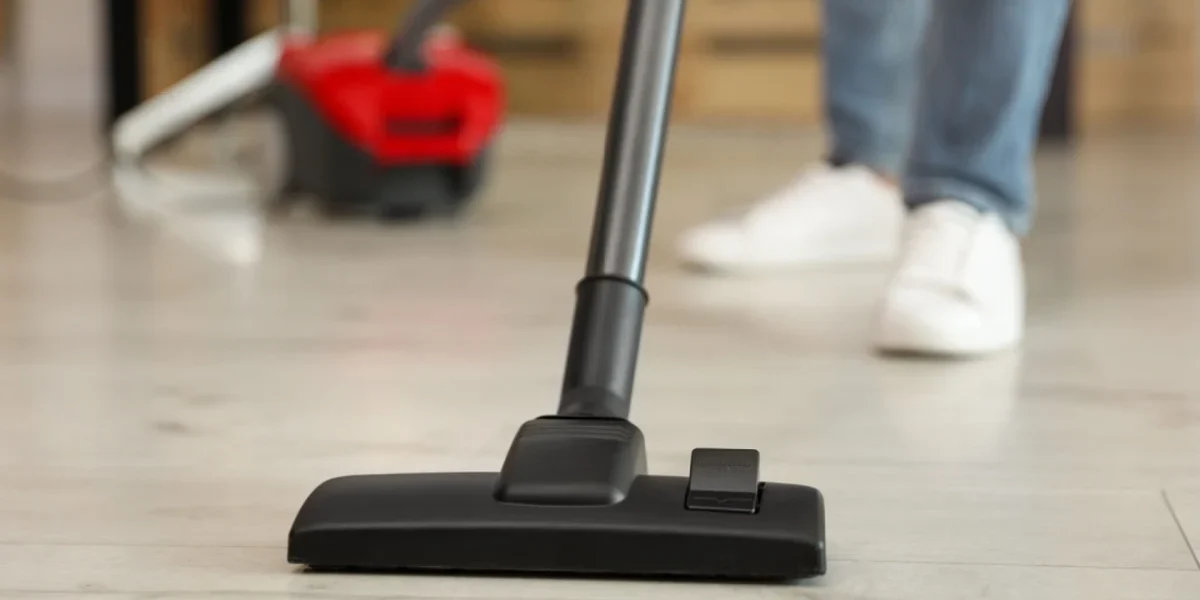
What the floorhead actually does on your rug Even the strongest motor in the world can’t clean well if the floorhead sits awkwardly on the surface or lets air leak out around the edges. On carpet, dirt and hair weave themselves deep into the fibers rather than sitting neatly on top waiting to be vacuumed up. A motorized brush roller agitates those fibers to shake trapped grit loose so moving air can grab it. Also read Did you lose your job?
Here are 5 tools to help you get a new one Global conflicts can make food prices increase further, UN report predicts Hardwood, tile, and laminate ask for a completely different touch. A stiff carpet brush slamming against bare wood can kick debris sideways or leave fine scratches, whereas a soft roller or suction-focused head sweeps dust and crumbs right into the intake.
Guidance from Sensitive Choice highlights how matching the cleaner head to the floor type—using powered brush agitation for cut-pile carpets and gentle contact for hard floors—makes a major difference in real-world pickup and indoor air quality. How to shop without getting tripped up by spec hype Start your search with your floors and your routine rather than the boldest number on the front of the box.
A home wall-to-wall in carpet needs a floorhead with a good brush bar and steady airflow, while mostly hard floors do fine with a cleaner head that seals cleanly without scattering dust. If you have pets or allergies, look at how easily hair comes off the brush roller and whether the filtration system is sealed so fine dust isn’t blown back into the room. Check the practical trade-offs before you fall for a “max power” claim, too.
Cordless stick vacuums are great for quick daily sweeps and stairs, but running them on turbo mode drains the battery quickly and leaves less time for a whole house. Pick a machine that fits your space, keeps its seal when you empty it, and matches the floors you actually walk on every day. Also read The comeback nobody saw coming: CDs strike back after years in vinyl’s shadow Textile companies could be held responsible for waste costs under new plan