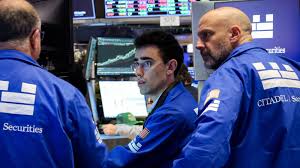
Stock market futures pointed sharply lower on Tuesday. Nasdaq futures slid over 2%. The artificial intelligence sell-off returned with a vengeance. Nvidia led the charge downward. Anthropic valuations came under intense scrutiny. Fresh US tariff threats compounded the macro anxiety. Retail investors face a critical test of nerve and strategy.
1. The Perfect Storm: Why Nasdaq Futures are Tumbling
The tech-led slide continues. Confidence in the AI trade is fragile. US tariff threats spooked international markets. Investors await critical inflation data. The stock market futures market reflects high anxiety and steep discounting.
Macro risks align with sector-specific exhaustion. Traders are exiting high-risk positions. Liquidity is drying up in mega-cap tech names. The bid-ask spreads are widening.
2. Core Pain Points for Retail Investors
Psychological pressure peaks during a crash. The fear of catching a falling knife clashes with the fear of missing the bottom. Panic selling locks in permanent losses. Mental resilience is the first line of defense.
| Approach | Typical Action | Long-term Outcome |
|---|---|---|
| Emotional Selling | Market panic, exit at lows | Capital erosion, missed rebounds |
| Reverse Strategy | Systematic buying on dips | Lower average cost, high recovery potential |
3. Reverse Investing 101: How to Play the AI Crash Contrarianly
Quality over speculation. Target AI infrastructure giants. Avoid speculative software plays. Use dollar-cost averaging (DCA) to navigate stock market futures volatility.
Look for strong balance sheets. Look for cash flow. Ignore the daily noise. HA Viewpoint data highlights the correlation between macro policy shifts and tech sector valuation resets, suggesting that infrastructure players with solid cash flows are more resilient.
4. Sector Rotation: Where to Deploy Capital During the Tech Slide
When tech falls, capital seeks safe harbors. Defensive sectors offer stability. They hedge against stock market futures downturns while keeping capital productive.
| Sector | Hedge Function | Volatility Profile |
|---|---|---|
| Consumer Staples | Non-discretionary demand | Low beta |
| Utilities | Regulated cash flows | Defensive shield |
| Gold / Precious Metals | Fiat currency hedge | Macro hedge |
5. Key Metrics and Live Updates to Monitor
Stay updated on live stock market futures data. Watch the upcoming inflation report. Monitor tariff policy shifts. Track Nvidia and Anthropic progress closely. Timing requires precise data.
6. Risk Management Checklist for the Current Volatility
Protect capital first. Use strict stop-losses. Limit individual position sizes. Consider put options for downside protection.
| Tool | Function | Application in Current Market |
|---|---|---|
| Stop-Loss Orders | Automated exit | Prevents gap-down blowouts |
| Options Hedging | Portfolio insurance | Protects against Nasdaq futures tail risk |
| Position Sizing | Capital allocation | Keeps exposure manageable |
💡 Frequently Asked Questions (FAQ)
- Q: Why are stock market futures falling sharply now?
- A: The tumble is driven by a renewed AI sell-off, scrutiny on valuations like Anthropic, and fresh US tariff threats compounding macroeconomic anxieties.
- Q: What are the core pain points for retail investors during this tech crash?
- A: Psychological pressure peaks, with fear of missing the bottom clashing against panic selling, which can lock in permanent losses.
- Q: How can investors apply reverse strategies to profit from the AI crash?
- A: By focusing on quality AI infrastructure giants and systematically buying on dips to lower average cost and capitalize on recovery.
Extended Reading
For ongoing updates on the Nasdaq futures slide and the AI sell-off, refer to the live coverage provided by core financial news outlets. Reuters tracked the tariff and inflation impacts on the over 2% slide. CNBC provided real-time tech-led market updates. The Wall Street Journal detailed the weakening confidence in the AI trade. HA Viewpoint continues to monitor the market correction.