undefined
Posts
undefined
Followers
Voices: I hate to say it, but only Donald Trump can save Britain from more interest rate pain
By James Moore,
2 days ago
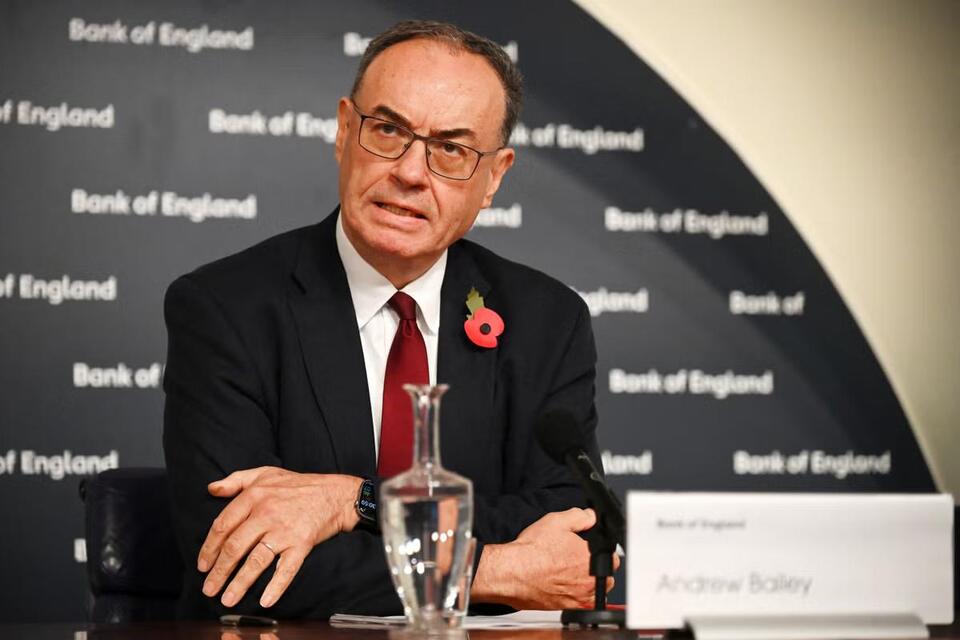
The Bank of England has raised interest rates for the first time in three years – the last thing the UK economy needs.
One man hitting another over the head with a bottle will spoil any party, and the Monetary Policy Committee pushing rates up to 4 per cent will to do the same to UK, however “resilient” it has proved to be over the past year or so.
Its members had very little choice. UK inflation jumped to 3.5 per cent in September, with energy costs driving the rise. It is forecast to kick on from there, reaching a peak of 5 per cent next year.
Nevertheless, it could be worse. Eurozone inflation is at 4 per cent. America’s number isn’t much better at 3.7 per cent. The message from its electorate, having delivered a brutal kicking to the Republicans: do something about this, now.
Those dipping their toes into the mortgage market, either as first time buyers or to refinance an existing deal, are already feeling the pain. Prices are set by market expectations for interest rates over the medium to long term.
But make no mistake, this decision isn’t going to help with that, and there wasn’t much comfort to be found in the minutes of the Bank’s decision. The vote went 8-1 for an increase, with the lone dissident, acknowledged hawk Catherine Mann, calling for a 0.5 point rise. She voiced fears that the current level of inflation will spark higher wage demands, further boosting inflation. Mann argued that a bigger increase to cool this was necessary “from a credibility perspective”.
Three other members of the MPC explicitly stated that would be a need for further rises. As soon as the next meeting? While I think we will see votes for that, the majority will probably wait until the first quarter of next year to give them time to assess the impact of the latest move. Slim comfort, I know.
With prices catching fire again, there isn’t much cheer to be had. It might have been worse were it not for a tax raising budget putting a fiscal brake on prices.
Something that could help a little: the pound jumped to a post-Brexit high this week. Some traders said the UK was being seen in a different light given relative political stability, solid growth and the rapprochement with the European Union. Sterling has responded strongly to Brexit developments and political uncertainty in recent years.
Jim O'Neill, an economist and former Treasury minister, told the BBC: "I'm not surprised. People were, and to a lesser extent, are, underestimating the improving momentum in the UK." The effect of this will be to make imported goods a little cheaper, including food.
The flipside is that it doesn’t do much for exporters. But Andy Burnham is at least doing the right thing by them by trying to ease trade barriers with the giant market (the EU) on our doorstep which we inexplicably turned our backs on just a few years ago.
I confess, I’m with the hawks. I think it is going to take more than a quarter point rise to prevent firms from pushing price rises through to ease the impact of sky high energy costs on their bottom lines. Unless, of course, our Trump chooses to offer some healing balm to the world. That’s the one thing could cool the Bank’s ardour for future rises.
It’s encouraging to note, he at least appears to have worked out why America turned on him. So did his VP JD Vance.
Brent crude fell sharply earlier this week on hopes that diplomacy will be brought to bear to end the conflict in Iran, and and while it has since recovered a bit, it is still trading a good way below $100. So there’s that.
If Trump does do a deal, prices will fall further, inflation pressures will ease, and the Bank might feel able to take its foot off the gas. Further rises are not “pre-ordained”.
If that’s correct, mortgage deals could improve, and potentially quite quickly. A lot depends on Trump. Predicting his next move is like trying to call the winner of the next three Grand Nationals based on today’s form in novice steeple chases.
Still, legacy and all that. The latter would look better if energy prices start to cool and things look brighter for the embattled consumer, whichever side of the Atlantic they live on.